Mastering Car Buying: Save Time and Money

Updated: Mar 24
Buying a car can be one of the most significant financial decisions you make. With so many options available, it’s easy to feel overwhelmed. However, mastering the car buying process can save you both time and money. In this guide, we will explore practical strategies to help you navigate the car buying journey effectively.

Understanding Your Needs
Before you even step foot in a dealership, it's crucial to understand your needs. Ask yourself the following questions:
What is my budget? Determine how much you can afford to spend, including monthly payments, insurance, and maintenance.
What will I use the car for? Consider whether you need a vehicle for commuting, family trips, or off-road adventures.
What features are important to me? Make a list of must-have features such as fuel efficiency, safety ratings, and technology options.
By clarifying your needs, you can narrow down your options and avoid impulse purchases.
Researching Your Options
Once you have a clear understanding of your needs, it’s time to research your options. Here are some effective strategies:
Online Research
Utilize online resources to compare different makes and models. Websites like Edmunds, Kelley Blue Book, and Consumer Reports provide valuable insights into vehicle performance, reliability, and pricing.
Read reviews: Look for user reviews and expert opinions to gauge the pros and cons of each vehicle.
Check safety ratings: Organizations like the National Highway Traffic Safety Administration (NHTSA) and the Insurance Institute for Highway Safety (IIHS) offer safety ratings that can help you make informed decisions.
Visit Dealerships
After narrowing down your options, visit local dealerships to see the cars in person. This allows you to:
Test drive vehicles: Experience how each car handles and feels on the road.
Ask questions: Engage with sales representatives to clarify any doubts about features or financing options.
Financing Your Purchase
Understanding your financing options is essential to saving money during the car buying process. Here are some key points to consider:
Determine Your Financing Options
You can choose between several financing methods:
Cash Purchase: If you have the funds available, paying in cash can save you from interest payments.
Loan Financing: Many banks and credit unions offer auto loans. Shop around for the best interest rates and terms.
Leasing: If you prefer driving a new car every few years, leasing might be a suitable option. However, be aware of mileage limits and potential fees.
Get Pre-Approved
Before visiting dealerships, consider getting pre-approved for a loan. This gives you a better idea of your budget and strengthens your negotiating position.
Negotiating the Price
Negotiating can be intimidating, but it’s a crucial step in the car buying process. Here are some tips to help you negotiate effectively:
Know the Market Value
Research the market value of the car you’re interested in. Websites like Kelley Blue Book can provide you with the fair market price based on the vehicle’s make, model, year, and condition.
Be Prepared to Walk Away
If the deal doesn’t meet your expectations, be prepared to walk away. This shows the dealer that you are serious about getting a fair price.
Use Competing Offers
If you have quotes from other dealerships, use them to your advantage. Let the dealer know you are considering multiple options, which may encourage them to offer a better deal.
Understanding the Fine Print
Before signing any paperwork, it’s essential to read and understand the fine print. Here are some key areas to focus on:
Warranty Information
Make sure you understand the warranty coverage for the vehicle. This includes the duration and what it covers.
Additional Fees
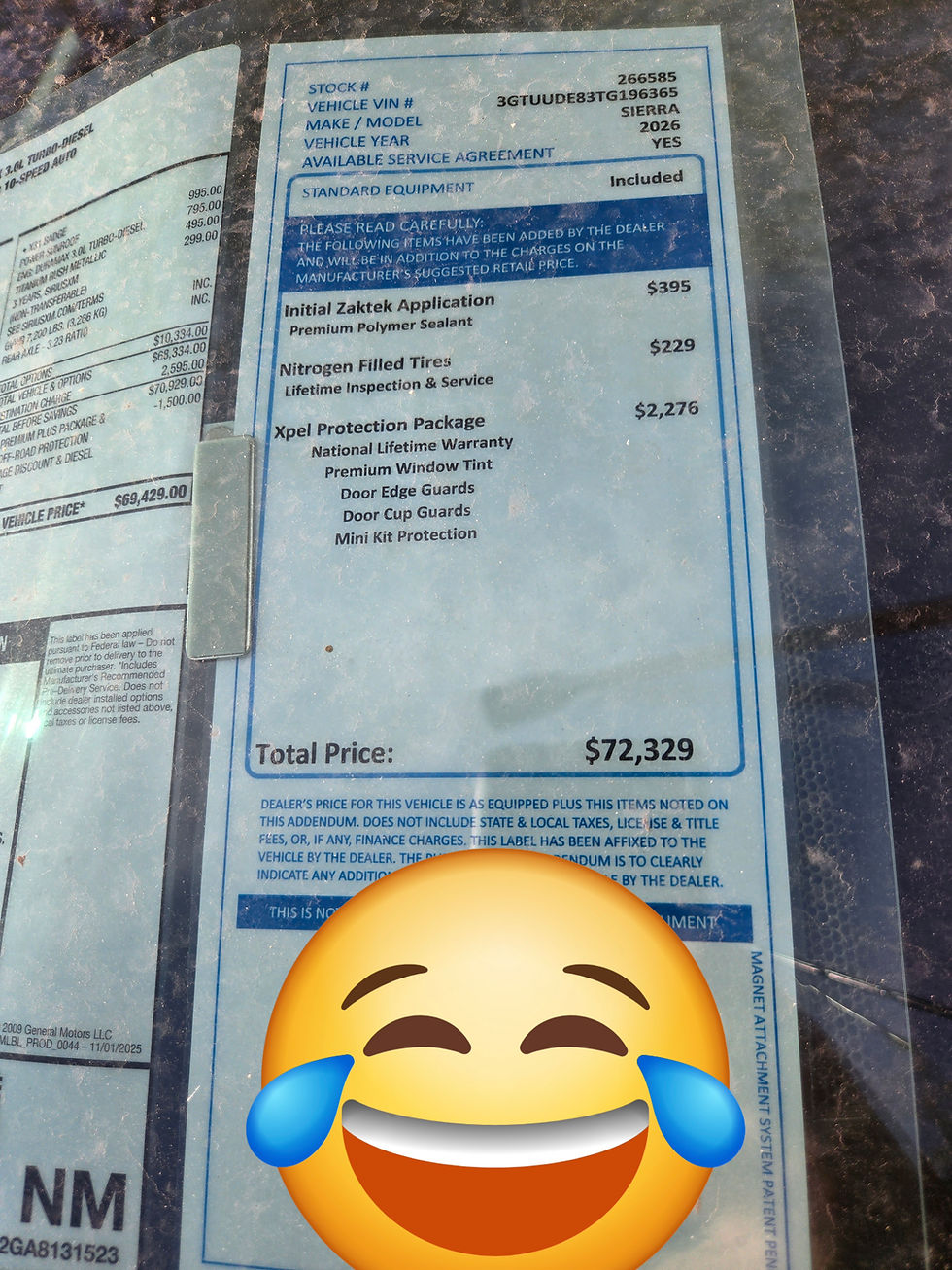
Be aware of any additional fees that may be added to the final price, such as documentation fees, dealer preparation fees, and sales tax.
Return Policy
Some dealerships offer a return policy, allowing you to return the car within a certain timeframe if you change your mind. Understand the terms of this policy before finalizing your purchase.
Taking Delivery of Your New Car
Once you’ve completed the negotiation and paperwork, it’s time to take delivery of your new vehicle. Here are some final steps to consider:
Inspect the Vehicle
Before driving off the lot, thoroughly inspect the vehicle to ensure it meets your expectations. Check for any scratches, dents, or issues that need to be addressed.
Review the Features
Take the time to familiarize yourself with the car’s features. Ask the dealer for a walkthrough of the technology, safety features, and maintenance requirements.
Set Up Insurance
Before you can legally drive your new car, you’ll need to set up insurance. Shop around for the best rates and coverage options.
Maintaining Your Vehicle
After purchasing your car, maintaining it properly is crucial for longevity and performance. Here are some maintenance tips:
Regular Servicing
Follow the manufacturer’s recommended service schedule. Regular oil changes, tire rotations, and inspections can prevent costly repairs down the line.
Keep Records
Maintain a record of all maintenance and repairs. This not only helps you keep track of your vehicle’s history but can also be beneficial if you decide to sell it in the future.
Monitor Performance
Pay attention to how your car performs. If you notice any unusual sounds or changes in handling, address them promptly to avoid more significant issues.
Conclusion
Mastering the car buying process can save you both time and money. By understanding your needs, researching options, negotiating effectively, and maintaining your vehicle, you can make a smart purchase that meets your requirements. Remember, the key to a successful car buying experience lies in preparation and knowledge. Take your time, do your research, and drive away with confidence in your new vehicle.


Comments