Negotiation Tips for Stress-Free Car Buying

Updated: Mar 24
Buying a car can be an exhilarating experience, but it can also be a source of significant stress. The negotiation process often feels daunting, especially for first-time buyers. However, with the right strategies, you can navigate this process smoothly and confidently. This guide will provide you with essential negotiation tips to ensure a stress-free car buying experience.

Understand Your Needs
Before stepping foot in a dealership, take the time to assess your needs. Consider the following factors:
Budget: Determine how much you can afford, not just for the car itself but also for insurance, maintenance, and fuel.
Type of Vehicle: Decide whether you want a sedan, SUV, truck, or hybrid. Think about your lifestyle and how the vehicle will fit into it.
Features: Make a list of must-have features, such as safety ratings, fuel efficiency, and technology options.
By having a clear understanding of your needs, you can avoid being swayed by flashy features that don’t align with your priorities.
Do Your Research
Knowledge is power when it comes to negotiation. Here’s how to equip yourself:
Market Prices: Use online resources like Kelley Blue Book or Edmunds to find out the fair market value of the car you’re interested in.
Dealer Incentives: Research any manufacturer incentives or rebates that may apply to your purchase. This information can give you leverage during negotiations.
Vehicle History: If you’re considering a used car, obtain a vehicle history report through services like Carfax. This report can reveal any past accidents or issues.
Armed with this information, you’ll be better prepared to negotiate a fair price.
Set Your Target Price
Once you have a good understanding of the market, set a target price for the vehicle you want. This price should be based on your research and should reflect what you’re willing to pay.
Starting Point: Aim to start your negotiations below your target price. This gives you room to negotiate upwards while still staying within your budget.
Walk-Away Price: Determine the maximum amount you’re willing to spend. If the dealer cannot meet this price, be prepared to walk away.
Having a clear target price helps you stay focused and reduces the likelihood of impulse decisions.
Timing Matters
Timing can significantly impact your negotiation success. Consider the following:
End of the Month: Dealerships often have monthly sales quotas. Shopping at the end of the month can increase your chances of getting a better deal as salespeople may be more motivated to close deals.
End of the Year: Many dealerships offer significant discounts on outgoing models at the end of the year to make room for new inventory.
Weekdays vs. Weekends: Visiting a dealership during the week may result in more personalized attention and better negotiation opportunities, as weekends tend to be busier.
Choosing the right time to buy can give you an edge in negotiations.
Be Prepared to Negotiate
Negotiation is an art, and being prepared can make all the difference. Here are some strategies to keep in mind:
Stay Calm and Confident: Approach negotiations with a calm demeanor. Confidence can influence the dealer’s perception of your seriousness.
Use Silence: After making an offer, don’t rush to fill the silence. Allow the dealer to respond, as this can create pressure for them to meet your offer.
Be Polite but Firm: Maintain a respectful tone throughout the negotiation. Being polite can foster goodwill, but don’t hesitate to stand your ground on your price.
Remember, negotiation is a two-way street. Both parties should feel satisfied with the outcome.
Consider Financing Options
Financing can be a significant part of the car buying process. Here are some tips to navigate this aspect:
Pre-Approval: Obtain pre-approval for a loan from your bank or credit union before visiting the dealership. This gives you a clear idea of your budget and strengthens your negotiating position.
Dealer Financing: While dealer financing can sometimes offer competitive rates, be sure to compare it with your pre-approved loan. Don’t hesitate to negotiate the terms if you find a better offer elsewhere.
Understand the Terms: Pay attention to the interest rate, loan term, and any additional fees. A lower monthly payment may not always be the best deal if it means paying more in interest over time.
Being informed about financing options can save you money in the long run.
Don’t Rush the Process
Car buying is a significant investment, and it’s essential to take your time. Here’s how to avoid feeling rushed:
Take Breaks: If negotiations become tense or overwhelming, don’t hesitate to take a break. Stepping away can help you regain perspective.
Test Drive: Always test drive the vehicle before making a decision. This ensures that you’re comfortable with the car and helps you avoid buyer’s remorse.
Sleep on It: If you’re feeling uncertain, consider sleeping on your decision. A good night’s rest can provide clarity and help you make a more informed choice.
Rushing can lead to mistakes, so take the time you need to feel confident in your decision.
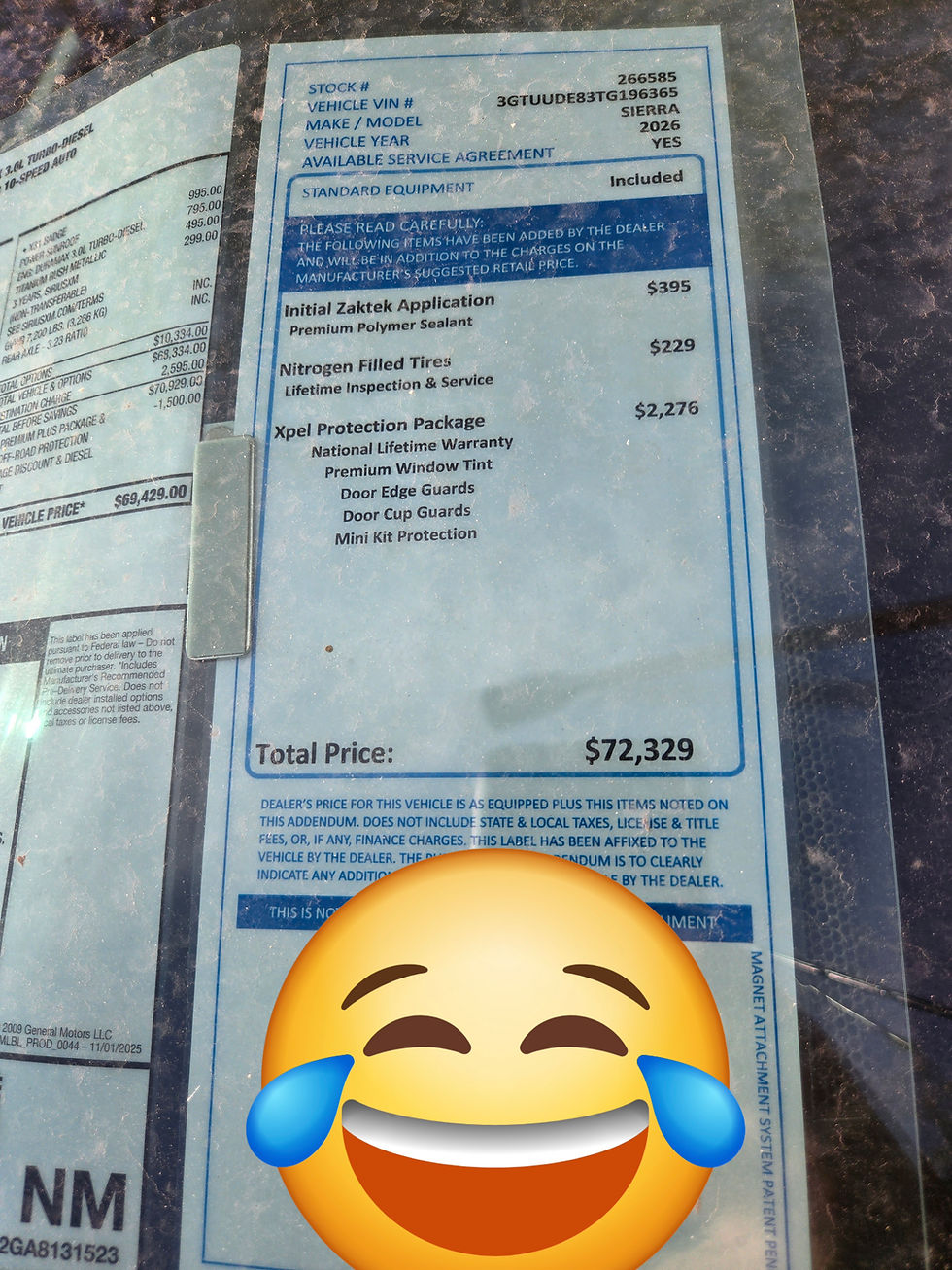
Be Aware of Add-Ons
Dealerships often try to upsell add-ons during the purchasing process. Here’s how to handle them:
Know What You Want: Before visiting the dealership, decide which add-ons are essential for you. This could include extended warranties, maintenance packages, or additional features.
Negotiate Separately: If you’re interested in add-ons, negotiate them separately from the vehicle price. This prevents confusion and ensures you’re getting the best deal on each component.
Be Prepared to Say No: Don’t feel obligated to accept add-ons that don’t align with your needs or budget. Politely decline if they don’t provide value to you.
Being aware of add-ons can help you avoid unnecessary expenses.
Finalize the Deal
Once you’ve reached an agreement, it’s time to finalize the deal. Here are some tips for this stage:
Review the Contract: Carefully read through the contract before signing. Ensure that all agreed-upon terms are accurately reflected.
Ask Questions: If anything is unclear, don’t hesitate to ask questions. It’s essential to fully understand what you’re agreeing to.
Take Your Time: Don’t rush through the paperwork. Take your time to ensure everything is in order.
Finalizing the deal is a crucial step, and being thorough can prevent future issues.
Celebrate Your Purchase
After successfully negotiating and finalizing your car purchase, take a moment to celebrate your achievement. You’ve navigated a complex process and emerged with a vehicle that meets your needs.
Enjoy the Ride: Take your new car for a spin and enjoy the freedom it brings.
Share Your Experience: Consider sharing your car buying experience with friends or family. Your insights could help others in their journey.
Celebrating your purchase reinforces the positive experience and helps you appreciate the effort you put into the process.
Key Takeaways
Negotiating for a car doesn’t have to be a stressful experience. By understanding your needs, doing thorough research, and approaching the process with confidence, you can secure a great deal. Remember to take your time, be prepared to negotiate, and celebrate your success once the deal is done.
With these tips in mind, you’re well-equipped to tackle the car buying process with ease. Happy car shopping!


Comments